A short guide to Uluwatu's dry and wet seasons, and the shoulder months in between that we would book first.
Bali has two seasons rather than four, and Uluwatu sits at the dry southern tip of the island. Knowing which one you are booking into makes the difference between clear afternoons and short, heavy downpours.
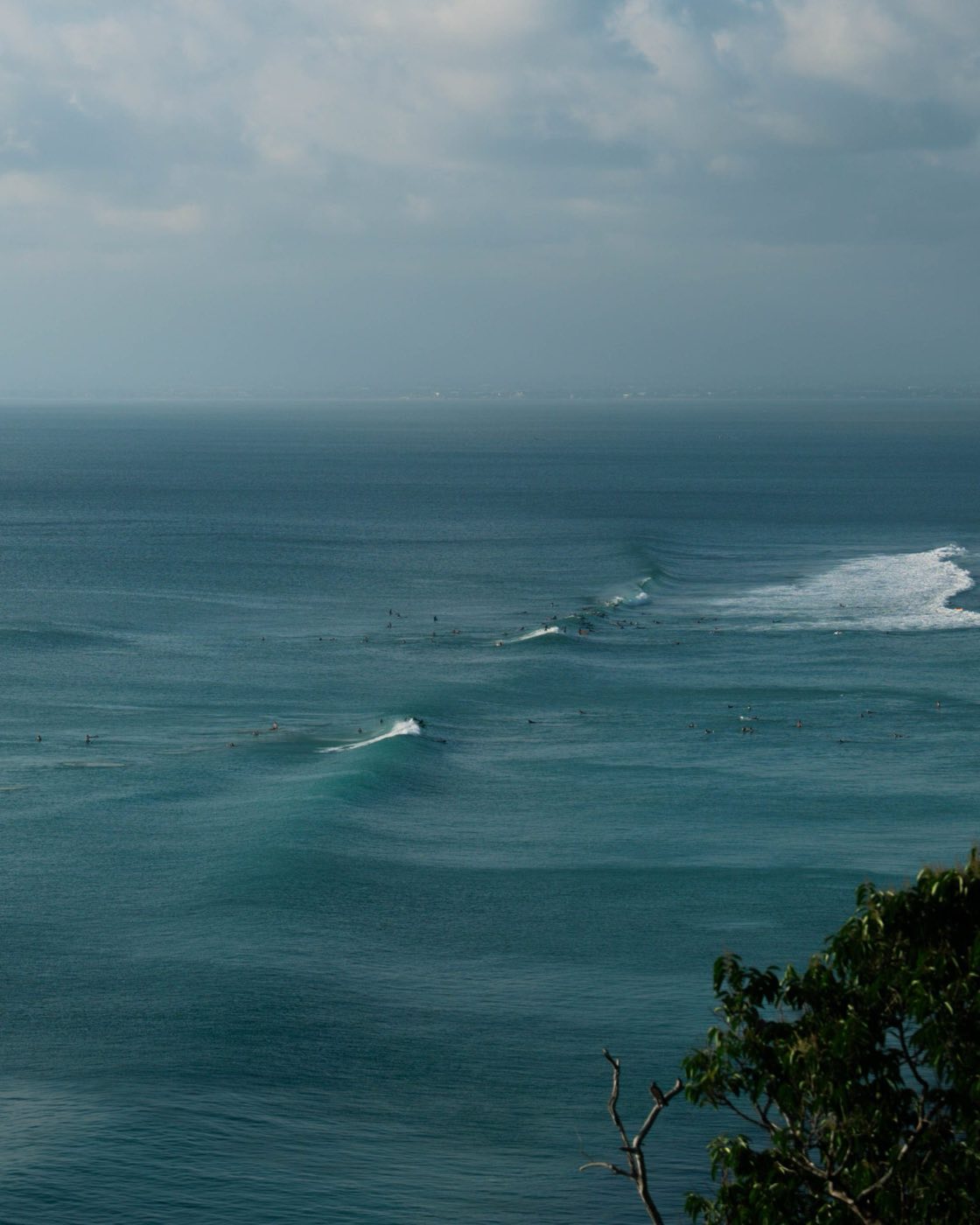
The dry season runs roughly from April to October. Expect bright days, low humidity and the offshore winds that give Uluwatu its reputation for surf. July and August are the busiest months, so the beaches and the cliff warungs fill up earliest then.
The wet season, from November to March, is quieter and greener. The rain tends to arrive in the afternoon and pass quickly, which leaves the mornings clear for a swim or a walk. Rates are lower and the crowds thin, if you do not mind planning around the sky.
The shoulder months are the ones we would pick. April, May, September and October bring warm, mostly dry weather without the peak-season numbers. The light is good, the sea is warm, and the peninsula feels unhurried.
Whenever you come, the first hours of the day are the calm ones here. Tell us your dates and we will point you towards what the season does best, from the surf to the sunsets.