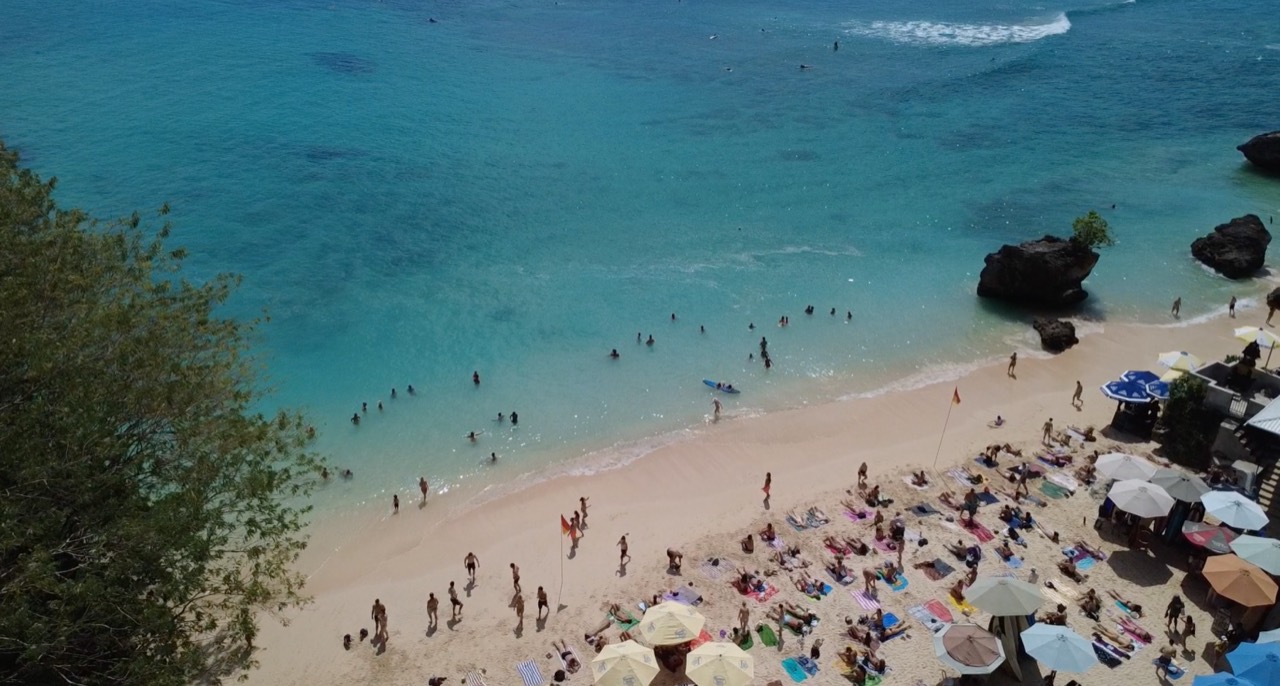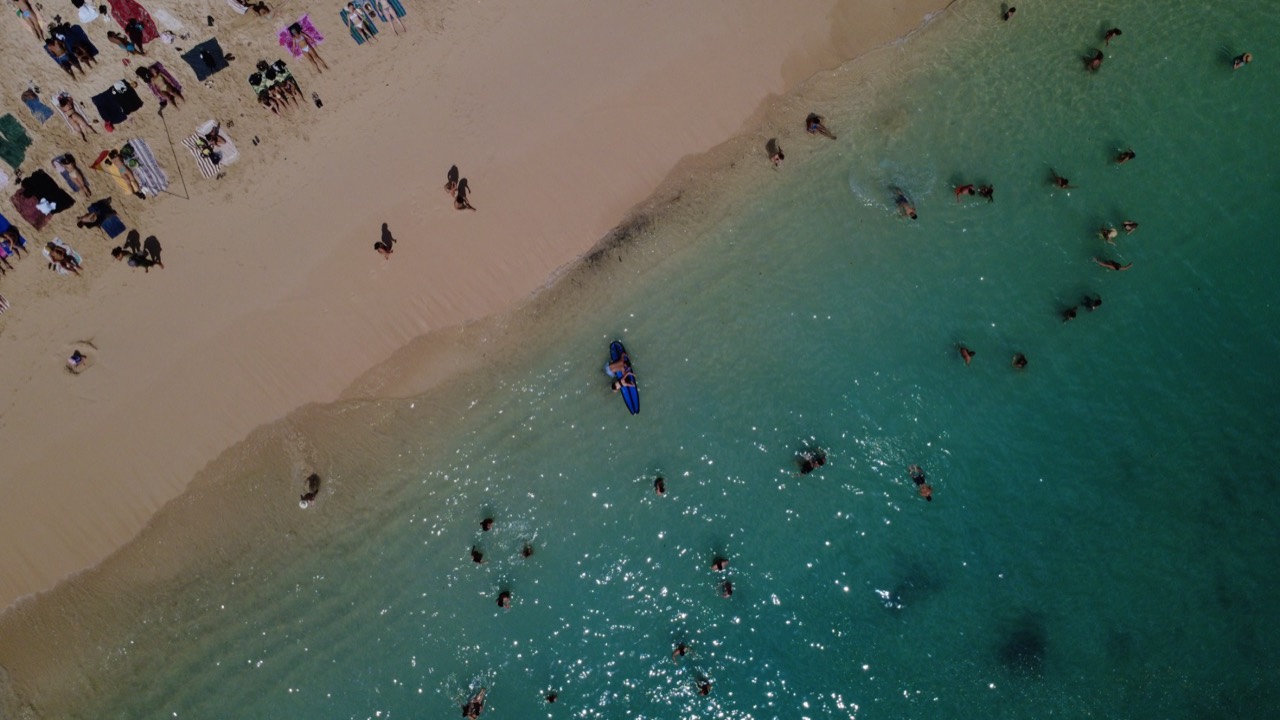
A practical guide to staying near Uluwatu’s waves: which surf breaks are closest, when the season peaks, what a surf day costs, and why a calm base matters more than proximity alone.
The breaks, and how close they are
Every world-class wave in Uluwatu’s west coast is a short ride from Pecatu. Dawn is the quiet hour, clean faces, light offshore wind and a fraction of the midday lineup.
- Padang Padang (“the Balinese Pipeline”). 10 minutes; barrels over shallow reef on a good swell
- Bingin. 15 minutes; short, perfect lefts, punchy and photogenic
- Impossibles. 15 minutes; long fast walls between Bingin and Padang
- Uluwatu. 15 minutes; the iconic left with five distinct sections, from Racetracks to Temples
- Thomas / Nyang Nyang beach breaks. 9–12 minutes; softer options for improvers
When to surf Uluwatu
The dry season (April–October) brings consistent 4–8 ft south-westerly swell and offshore trade winds to the west-facing reefs, this is the classic Uluwatu surf season. In the wet season (November–March) the east coast takes over, but small clean days still appear in Uluwatu, with empty lineups.
Tide matters more than most guides admit: Uluwatu works through most tides, Padang Padang needs swell and mid tide, Bingin is best low to mid. Ask us the night before, we time sessions with the chart.
What a surf day costs
Board rental at the breaks runs around IDR 50.000–100.000 per session; a guided session with photos arranged through VELA is IDR 500.000. Scooters with surf racks are IDR 90.000 per day at the lodge. Beach entry fees are small change, keep IDR 10.000 notes handy.
Why a calm base wins
Surf trips are won at night. VELA’s rammed-earth walls keep the lodges dark, cool and silent, the grove enforces quiet hours after 10pm, and breakfast is served from 7am, or packed early for dawn patrol. Board storage and a rinse area are by the gate.